
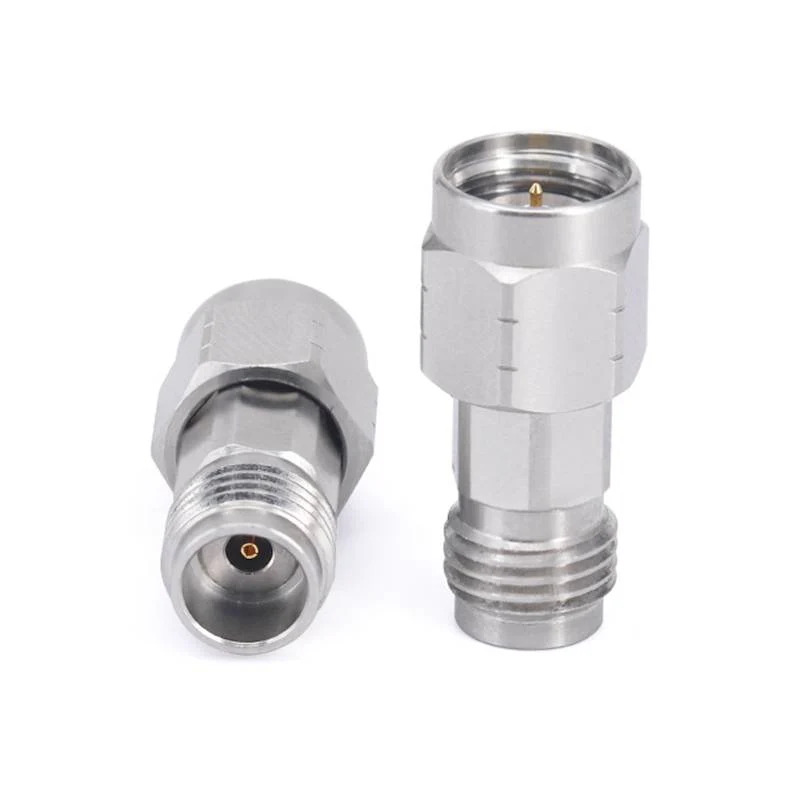
High-frequency systems depend on accuracy at every connection point. Even minor inconsistencies can affect signal behaviour and measurement reliability. This is why SMPS Cable assemblies are widely used in RF environments where stability, size control, and repeatable results matter. These cables are designed to support consistent signal flow while fitting into compact and demanding system layouts.
Flexi RF Inc builds cable assemblies with a clear understanding of how RF systems operate in real conditions. Their solutions are shaped around laboratory use, production testing, and field applications where dependable connections are essential.
Understanding the Role of SMPS Cable in RF Systems
An SMPS Cable is commonly used in compact RF assemblies where connector spacing is limited and precision is required. These cables support controlled impedance and stable electrical performance across wide frequency ranges.
They are often selected for systems that require:
- Clean signal transmission
- Controlled phase behaviour
- Reliable connector mating
- Repeatable test results
Because these cables are designed for precision environments, they perform well in setups where cables are moved, connected, and disconnected regularly.
Why Precision Matters in High-Frequency Connections
At higher frequencies, minor mechanical variations can create noticeable signal issues. Connector alignment, dielectric quality, and shielding all influence performance.
An adequately designed SMPS Cable helps reduce:
- Signal reflection
- Phase variation during movement
- Unwanted losses at connection points
This attention to detail supports stable readings and consistent system behaviour across repeated measurements.
Importance of 1.0mm Adapter Compatibility
A 1.0mm adapter is commonly used in very high frequency applications where tight tolerances are required. Compatibility between the cable assembly and adapter is critical for maintaining signal integrity.
When a cable is correctly matched with a 1.0mm adapter, it supports:
- Accurate connector engagement
- Lower return loss
- Reliable electrical contact
- Consistent performance across test cycles
They designs cable assemblies that meet the mechanical and electrical requirements for use with precision adapters.
Construction Features That Support Reliable Performance
The internal structure of a cable assembly plays a key role in its long-term performance. SMPS Cable assemblies are built with materials selected to maintain electrical consistency under movement and temperature change.
Key construction elements include:
- Phase stable design for measurement repeatability
- High-quality dielectric materials
- Precision-machined connector interfaces
- Shielding that limits external interference
These features work together to support stable RF paths in both test and operational environments.
Typical Applications for SMPS Cable Assemblies
SMPS Cable assemblies are used across a wide range of RF and microwave systems. Their compact form and consistent performance make them suitable for demanding applications.
Typical use cases include:
- RF and microwave test benches
- Research and development laboratories
- Production line verification systems
- Compact communication modules
- Calibration and validation setups
In these environments, pairing the cable with a compatible 1.0mm adapter helps maintain accuracy throughout the signal chain.
What Makes These Cable Solutions Practical
They focuses on manufacturing discipline and usability rather than unnecessary complexity. Their cable assemblies are designed to operate reliably with minimal handling.
Practical benefits include:
- Broad selection of standard configurations
- Options for custom cable assemblies
- Fast order processing and same-day shipping
- Access to RF engineers for technical support
- Consistent quality checks during production
These factors allow engineers and technicians to select and deploy cables with confidence.
How to Choose the Right Cable Assembly
Choosing the correct SMPS Cable depends on understanding system needs. Selecting a cable without considering operating conditions can lead to avoidable performance issues.
Key factors to review include:
- Operating frequency range
- Connector types used in the system
- Bend radius and routing constraints
- Phase stability requirements
- Compatibility with a 0mm adapter
Matching these elements helps ensure long-term reliability and stable system behaviour.
Frequently Asked Questions About SMPS Cable
- Are these cables suitable for frequent reconnection?
Yes. They are designed to maintain electrical stability even when mated or unmated.
- Can they support high-frequency testing?
They are commonly used in microwave and high-frequency measurement environments.
- Do they work with precision adapters?
When properly selected, they pair well with a 1.0mm adapter for accurate signal transfer.
Final Thoughts on Dependable RF Interconnects
Reliable RF systems depend on stable, well-engineered connections. A carefully designed SMPS Cable supports controlled signal behaviour, mechanical reliability, and consistent results across demanding applications. When paired with a precision 1.0mm adapter, the overall system benefits from reduced loss and dependable performance.
Flexi RF Inc continues to support RF professionals by offering cable assemblies that meet real-world usage needs, provide fast availability, and adhere to dependable manufacturing standards across RF and microwave environments.
Leave a Reply