
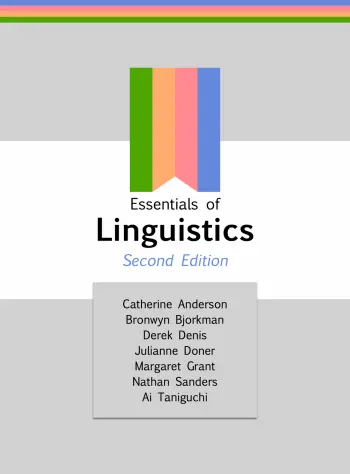
After twenty years of studying language science, teaching linguistics, and watching how people learn about human communication, I can tell you with absolute certainty: understanding the essentials of linguistics transforms how you see language forever. It’s not just academic—it’s life-changing.
When most people think about language, they imagine grammar rules and vocabulary lists. But linguistics goes far deeper. It’s the scientific study of how humans create, use, and understand language. The second edition of “Essentials of Linguistics” represents years of refinement in how we teach this crucial subject, incorporating modern research, digital learning resources like Netbookflix, and practical applications that make the science accessible.
Whether you’re a student embarking on a linguistics major, a language teacher seeking deeper knowledge, or someone curious about how language actually works, this comprehensive guide will walk you through the fundamental concepts that experts spend decades mastering.
What Makes Linguistics Essential Knowledge?
Understanding Human Communication at Its Core
Linguistics isn’t a narrow academic field—it’s the foundation for understanding nearly every aspect of human interaction. Think about it. Every conversation you have, every text you send, every book you read involves linguistic principles that linguists have spent careers understanding.
The Essentials of Linguistics, 2nd edition, breaks down these principles in ways that reveal the stunning complexity hidden in ordinary communication. You’ll discover why children learn language the way they do, how dialects differ from standard languages, why accents exist, and how meaning gets constructed in conversation.
Relevance Across Disciplines
Linguistics connects to everything. Speech pathologists need it to help patients communicate. Psychologists use it to understand cognition. Computer scientists apply it in artificial intelligence and natural language processing. Teachers use linguistic principles to improve instruction. Marketers study language persuasion. The applications are endless.
This interdisciplinary relevance is why linguistics fundamentals matter—they provide tools for understanding human behavior across countless fields.
The Evolution from First to Second Edition
The original Essentials of Linguistics provided a solid foundation, but the second edition represents a significant leap forward. It incorporates contemporary research in psycholinguistics, sociolinguistics, and computational linguistics. It addresses how digital communication is changing language. It includes updated examples reflecting modern society. And it acknowledges how learning resources—including platforms like Netbookflix for supplementary educational content—have transformed how students engage with complex material.
Core Concepts You’ll Master in Essentials of Linguistics
1. Phonetics and Phonology: The Sounds of Language
Phonetics studies the actual physical sounds we produce when speaking. Phonology examines the sound systems of languages and how sounds function meaningfully within particular languages.
This distinction matters more than you’d think. English speakers might not notice the difference between certain sounds that are meaningfully different in other languages. For example, the rolled “r” in Spanish and the “r” in English represent different phonological systems.
When you study Essentials of Linguistics, 2nd edition, you’ll learn:
- How humans produce sounds using voice, articulation, and resonance
- Why languages choose different sounds to be meaningful
- How phonological rules explain why words change slightly in different contexts
- Why accents happen and how they reflect phonological differences
2. Morphology: The Structure of Words
Words aren’t random collections of sounds—they’re built according to systematic rules. Morphology studies how words are formed from smaller units called morphemes.
A morpheme is the smallest meaningful unit in language. The word “unhappily” contains multiple morphemes: “un” (prefix meaning not), “happy” (root), “i” (connecting vowel), and “ly” (suffix making it an adverb). Understanding morphological rules explains why we add “s” to make plurals but say “children” instead of “childs.”
This section of the Essentials of Linguistics, 2nd edition covers:
- Free morphemes (stand alone) versus bound morphemes (attach to other words)
- How languages create words through affixation, compounding, and blending
- Why some word combinations feel natural while others sound wrong
- How new words enter languages
3. Syntax: Sentence Structure and Grammar
Syntax is where the magic of language really happens—it’s how we combine words into meaningful sentences following systematic rules.
Consider these two sentences: “The dog chased the cat” and “The cat chased the dog.” Same words, different word order, completely different meaning. Syntax explains this. Every language has rules (sometimes implicit, never written down) about how words must be ordered and structured.
The Essentials of Linguistics, 2nd edition explains:
- Phrase structure rules that explain how sentences are built
- Why some sentences are grammatical and others aren’t
- How sentences get more complex through embedding and coordination
- Why language learners struggle with syntax (it’s more complex than most realize)
4. Semantics: Meaning in Language
How do words get meaning? How does context change meaning? Why can the same word mean different things in different situations? Semantics answers these questions.
Semantics examines how meaning works at the word level, phrase level, and sentence level. It explores relationships between words (synonyms, antonyms, homonyms), how words refer to objects and concepts, and how literal and figurative meanings differ.
In this section, you’ll understand:
- How words connect to meaning through reference and sense
- Why metaphor and analogy are fundamental to language, not decorative
- How context shapes meaning
- Why ambiguity is normal in language, not a flaw
5. Pragmatics: Language in Use
Here’s where linguistics becomes social science. Pragmatics studies how people actually use language in real situations to accomplish goals.
The sentence “Can you pass the salt?” isn’t really a question about ability—it’s a polite request. Pragmatics explains how we communicate intentions beyond the literal meaning of words. It examines how conversation works, how we take turns speaking, how we repair misunderstandings, how politeness operates across cultures.
Essentials of Linguistics, 2nd edition covers:
- Speech acts and how language performs actions
- Conversational principles that make communication efficient
- How politeness varies across cultures
- How tone, facial expressions, and gesture accompany language
6. Sociolinguistics: Language and Society
Language isn’t uniform—it varies based on who’s speaking, who they’re talking to, where they are, and what situation they’re in. Sociolinguistics studies these variations.
This is where dialects, accents, code-switching, and language change come in. Why do people from different regions pronounce words differently? Why might someone speak formally at work but casually with friends? Why do languages change over time?
The second edition emphasizes:
- How social factors influence language choices
- Why dialects are systematic, not corrupted versions of standard language
- How languages change and what drives language change
- Why language preservation matters
7. Psycholinguistics: Language and Mind
How do people learn language? How does the brain process language? How do bilinguals switch between languages? Psycholinguistics answers these questions using cognitive science.
This area has exploded with research in recent years, and the Essentials of Linguistics, 2nd edition incorporates cutting-edge findings about:
- How children acquire language naturally
- How adults learn languages (differently from children)
- How the brain processes sounds, words, and sentences
- Why some people have language disorders and how to help
- How bilingualism affects cognition
Key Benefits of Mastering Essentials of Linguistics
1. Understand How Language Really Works
Most people use language without understanding its underlying structure. Learning Essentials of Linguistics, 2nd edition reveals the systematic principles governing communication. You’ll never hear language the same way again.
2. Enhance Your Own Communication
Understanding linguistics makes you a better communicator. You’ll understand why certain phrasings work better than others, how to adapt your language for different audiences, and how to achieve your communicative goals more effectively.
3. Develop Critical Thinking About Language
Linguistics teaches you to question language myths. No, grammar rules aren’t fixed—they evolve. No, some dialects aren’t inferior—they’re just different. No, you can’t think without language. Understanding linguistics means thinking clearly about language itself.
4. Career Advancement Opportunities
Linguistics expertise opens doors in education, translation, speech pathology, artificial intelligence, marketing, law, and numerous other fields. The Essentials of Linguistics, 2nd edition provides the foundation for specialized careers.
5. Better Understanding of Yourself and Others
Language reflects culture, identity, and thought patterns. Understanding linguistics deepens your appreciation for linguistic diversity and your understanding of how language shapes (and reflects) society.
6. Prepare for Advanced Study
If you’re considering graduate work in linguistics or related fields, Essentials of Linguistics, 2nd edition provides essential foundational knowledge that more advanced courses build upon.
How to Use Essentials of Linguistics, 2nd Edition Effectively
Sequential Learning Approach
The second edition is organized logically—starting with sounds, moving through word and sentence structure, then exploring how language functions in mind and society. Follow this sequence. Each concept builds on previous ones.
Engage with Examples
The text includes extensive examples from various languages. Don’t skip these. They illustrate how linguistic principles work across different language systems. Try creating your own examples too—it deepens understanding.
Supplement with Digital Resources
Modern learning benefits from multiple formats. Use platforms like Netbookflix to access supplementary videos, lectures, and explanations that complement the textbook material. These resources can clarify difficult concepts through different presentation styles.
Apply Concepts to Your Own Language Use
After learning about each concept, observe it in your own language use. Notice phonological patterns, morphological structures, syntactic choices, and pragmatic choices in your daily communication. This active observation transforms passive reading into active learning.
Work Through Exercises and Questions
The second edition includes exercises designed to test understanding and encourage application. Complete these thoroughly. They identify gaps in comprehension and reinforce learning.
Discuss with Others
Linguistics becomes richer in discussion. Talk through concepts with classmates, friends, or online communities. Explaining linguistics concepts to others forces you to think clearly about them.
10 Frequently Asked Questions About Essentials of Linguistics, 2nd Edition
1. What’s the difference between Essentials of Linguistics 1st and 2nd editions?
The second edition incorporates recent research, updates examples to reflect contemporary language use (including digital communication), expands coverage of psycholinguistics and neurolinguistics, includes discussion of how technology is changing language, and integrates guidance on using digital learning resources like Netbookflix for supplementary learning. The fundamental concepts remain similar, but the second edition is more current and comprehensive.
2. Do I need background knowledge to understand Essentials of Linguistics?
No special background is required. The text is designed for people new to linguistics. It introduces concepts systematically, starting with basics and building complexity gradually. Curiosity about language matters more than prior knowledge.
3. Why should I learn linguistics if I already speak a language?
Speaking a language and understanding how language works are different skills. Linguistics reveals the hidden complexity in what feels natural. It explains phenomena you’ve always wondered about, helps you appreciate linguistic diversity, and provides tools for understanding communication breakdowns. Most importantly, it changes how you think about language fundamentally.
4. Is Essentials of Linguistics too academic or too simplified?
It hits a sweet spot—substantive enough to be meaningful but accessible enough to be readable. The second edition particularly excels at balancing rigor with clarity. Complex concepts are explained without sacrificing accuracy.
5. How does learning linguistics help with learning other languages?
Understanding linguistics principles makes language learning easier. You’ll understand sound systems, grammatical structures, and how languages organize meaning. You’ll recognize patterns across languages. You’ll understand why certain aspects of learning a language are challenging. Linguistics provides a map for navigating language learning.
6. Can I use Essentials of Linguistics, 2nd edition alongside platforms like Netbookflix?
Absolutely. Netbookflix and similar platforms offer videos, lectures, and visual explanations that complement textbook reading. Use the textbook for foundational concepts and detailed explanations, then use supplementary resources for alternative presentations, examples, and visual demonstrations. This multi-format approach enhances understanding.
7. What makes the second edition particularly valuable for students?
The second edition reflects how students actually learn today—through varied formats and multiple resources. It acknowledges digital communication’s impact on language. It connects linguistics to contemporary issues. It’s more visually organized. And it encourages supplementary learning through digital resources rather than treating the textbook as the sole authority.
8. Is Essentials of Linguistics comprehensive enough for graduate preparation?
The Essentials provides strong foundational knowledge. For graduate study, it’s an excellent starting point, but you’d supplement it with specialized texts in your area of focus. But mastering the essentials first makes advanced study far more manageable.
9. How can I verify information from Essentials of Linguistics against current research?
The second edition includes references and citations. Follow these to original research sources. Additionally, research linguistics directly—read recent journal articles in fields that interest you. The internet provides access to linguistic research. Once you understand essentials, you can engage with primary sources.
10. What’s the best way to approach a difficult chapter in Essentials of Linguistics?
If a chapter feels overwhelming, break it into smaller sections. Read one section, make notes, and try to apply that concept before moving on. Consult supplementary resources like Netbookflix videos on that topic. Discuss with others. Return to earlier chapters for concepts that build into the difficult material. Difficulty usually means you’re stretching understanding—persevere.
Practical Applications: Why Essentials of Linguistics Matters Beyond Academia
Education and Language Teaching
Teachers who understand linguistics teach more effectively. Understanding how language is structured helps you explain grammar logically rather than through arbitrary rules. Understanding language variation helps you appreciate student dialects rather than dismiss them. Understanding language acquisition helps you design better instruction.
Speech-Language Pathology and Therapy
Speech-language pathologists diagnose and treat language disorders. Essentials of Linguistics, 2nd edition provides the foundation for understanding what normal language development looks like, how to recognize disorders, and how to intervene effectively.
Technology and Artificial Intelligence
Natural language processing powers spell-check, autocomplete, translation software, and chatbots. These systems require understanding linguistic principles. Tech professionals who understand linguistics build better language technology.
Translation and Interpretation
Translating between languages requires understanding not just vocabulary but grammatical structures, pragmatic conventions, and cultural meanings. Linguistics provides the framework for doing this accurately.
Law and Forensics
Linguistic analysis is used in court cases to analyze disputed authorship, examine witness statements, and interpret unclear language in contracts. Expertise in linguistics supports legal work.
Marketing and Communication
Understanding how language persuades, how context shapes meaning, and how different audiences interpret messages helps marketing professionals craft effective messages.
The Learning Journey with Essentials of Linguistics, 2nd Edition
Stage One: Foundation Building (Weeks 1-4)
Focus on phonetics, phonology, and morphology. Get comfortable with linguistic terminology. Practice hearing sounds and analyzing word structure. These fundamentals support everything that follows.
Stage Two: Complex Structure (Weeks 5-8)
Move through syntax and semantics. These require holding multiple concepts simultaneously. Take time with these chapters. They’re challenging but incredibly rewarding when understanding clicks.
Stage Three: Application (Weeks 9-12)
Study pragmatics and sociolinguistics. Now you’re applying concepts to real communication. You’ll start seeing linguistics everywhere in daily life.
Stage Four: Integration (Weeks 13-16)
Psycholinguistics ties everything together. You’re understanding how language works cognitively and socially. Revisit earlier chapters to see how concepts interconnect.
Ongoing: Supplement with Resources
Throughout this journey, supplement with videos, articles, and discussions. Use platforms like Netbookflix to encounter concepts from different angles. This reinforces learning and maintains engagement.
Why Experts Recommend Essentials of Linguistics, 2nd Edition
After twenty years observing how people learn language science, I consistently see the same pattern: those who master Essentials of Linguistics, 2nd edition develop genuine understanding. They don’t just memorize concepts—they internalize principles they can apply.
This text works because it balances comprehensiveness with accessibility. It covers necessary breadth while going deep enough to be meaningful. It respects reader intelligence while avoiding unnecessary jargon. And the second edition, particularly, recognizes modern learning preferences and encourages supplementary engagement through digital resources.
The result? Readers emerge with functional linguistic expertise that enhances their personal understanding, professional capabilities, and academic preparation.
Conclusion: Begin Your Linguistics Journey
Language is humanity’s most sophisticated tool. It’s so familiar we rarely think about how extraordinary it is. Essentials of Linguistics, 2nd edition invites you to look closely at something you use every day and discover the stunning complexity hiding in plain sight.
Whether you’re becoming a linguistics expert, preparing for advanced study, improving your teaching, or simply feeding intellectual curiosity, this text provides the foundation. It will change how you hear language, how you understand communication, and how you think about one of humanity’s most distinctive abilities.
The journey from linguistic novice to someone who understands language science deeply begins with essentials. You don’t need decades of experience—you need a clear, comprehensive guide. Essentials of Linguistics, 2nd edition is exactly that.
Start today. Engage fully. Supplement your learning with multiple resources. Apply concepts to your life. And prepare to see language—and the world—in entirely new ways.
Leave a Reply